Exploring the Creative Spirit of Hello Darling
There’s a certain feeling that comes with setting off on a new adventure—the anticipation, the freedom, the open road ahead. You want your designs to capture that same energy, and that starts with the right typography. If you've been searching for a typeface that feels less like a static set of letters and more like a companion on a journey, you've likely encountered Hello Darling. This isn't just another script font; it's a stylistic nod to the explorers, the storytellers, and the dreamers. It brings a sense of casual elegance and fluid motion to any project, making it a powerful tool for anyone looking to inject personality and warmth into their work.
The Anatomy of a Wandering Typeface
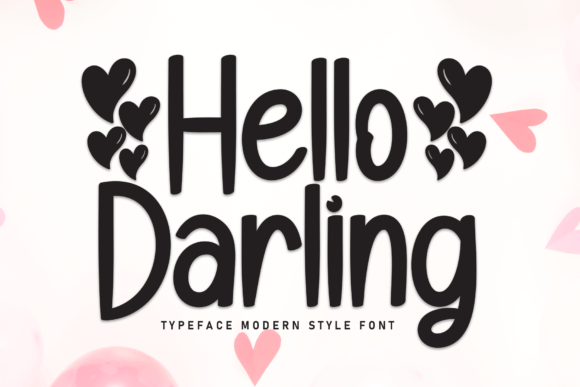
At first glance, Hello Darling strikes a balance between spontaneity and structure. It’s a handwritten font, but don't mistake that for messy or illegible. The strokes have a dynamic, flowing quality, as if written quickly but with a practiced hand. You’ll notice subtle variations in the letterforms that give it a truly human touch. This isn't a font that was simply digitized from a single scan; it has character, with connections between letters that feel natural and intuitive. The overall personality is friendly, approachable, and inherently creative. It avoids the overly formal look of a traditional serif font or the stark utility of a sans serif font, landing in a sweet spot that feels both modern and timeless.
Where Hello Darling Truly Shines: Practical Applications
The real value of a creative font like this is in its application. Knowing where to use it is just as important as liking how it looks. Hello Darling excels in projects where you want to establish a direct, personal connection with your audience. Think of it as the typographic equivalent of a warm, handwritten note.
Branding and Identity
For small businesses, especially those in lifestyle, travel, artisanal goods, or outdoor markets, this font can be a cornerstone of a brand identity. It’s particularly effective for logo design where you want to convey authenticity and craftsmanship. Imagine it on the logo for a boutique travel agency, a handmade skincare line, or a local coffee roaster. It immediately tells customers that the brand is personal and cares about detail. However, a word of caution: as a display font, it’s best used for headlines, logos, and short, impactful text. Using it for long paragraphs would compromise readability.
Editorial and Publishing
In the world of editorial design, Hello Darling can bring a magazine spread or a blog post to life. It’s perfect for pull quotes, article titles, and subheadings in publications focused on travel, food, or lifestyle. For bloggers, using this font for your main headings can set a welcoming tone from the moment a reader lands on your page. It pairs beautifully with a clean, simple serif or sans serif font for body text, creating a clear visual hierarchy that guides the reader’s eye without feeling sterile.
Digital and Social Media
On social media, personality is everything. Hello Darling is an excellent choice for creating engaging social media graphics. Use it for quotes, announcements, or promotional text in your Instagram stories or Pinterest pins. Its handwritten style stands out in a feed dominated by standard system fonts. For web design, it can be used strategically for call-to-action buttons, hero section headlines, or special announcements to draw attention and add a layer of sophistication to your user interface.
Physical Products and Packaging
Take the font into the physical realm, and its charm only grows. It’s a fantastic asset for packaging design, especially for products that have a story to tell. Think of artisanal chocolate bars, craft beer labels, or boutique candle packaging. The font suggests that a real person was involved in the creation of the product. It’s also a go-to for wedding invitations, event signage, and any printed material where an elegant, personal touch is desired.
Making It Work: A Designer's Practical Guide
Choosing a premium font is an investment, so you want to be sure it’s the right fit. Here’s how to approach working with Hello Darling to get the best results.
First, always test it in context. Don’t just look at the alphabet in a specimen sheet. Type out the actual headlines or phrases you’ll be using. Does the flow work? Are the letter combinations pleasing to the eye? Pay close attention to the ligatures and alternate characters often included in a premium font like this. These extra glyphs can add significant flair and prevent awkward repetitions, making your typography look more authentic and less like a template.
Next, master the font pairing. A script font like Hello Darling needs a solid partner. Its expressive nature means it can easily overwhelm other typefaces. Your best bet is to pair it with a neutral, highly readable font. A classic sans serif font like Montserrat or Lato works wonderfully, as does a traditional serif font like Lora or Merriweather. The contrast creates a dynamic and professional composition. The key is to let Hello Darling be the star of the show for key moments, while its partner handles the heavy lifting of body copy.
Finally, consider the practicalities. Always review the licensing. If you’re using it for client work or selling products with the font on them, you’ll need a commercial license. This is a standard practice for any commercial font and ensures you’re using the design assets legally and ethically. Check what’s included—does it have multiple weights or styles? Often, a font family will include variations that can expand its utility across your projects.
In the end, Hello Darling is more than just a collection of glyphs. It’s a tool for storytelling. It offers a way to communicate warmth, adventure, and authenticity in a digital world that can often feel impersonal. By understanding its personality and applying it thoughtfully, you can create designs that don’t just look good, but feel genuinely connected to the message you want to share.